
Blogs
Session Keys Explained: Enabling One-Click Actions in Web3 Apps
Transaction flows in Web3 still depend on repeated user approvals. Each interaction requires a signature. Each step introduces friction. Each interruption breaks continuity. This model limits how applications can operate at scale. They reduced dependence on direct...
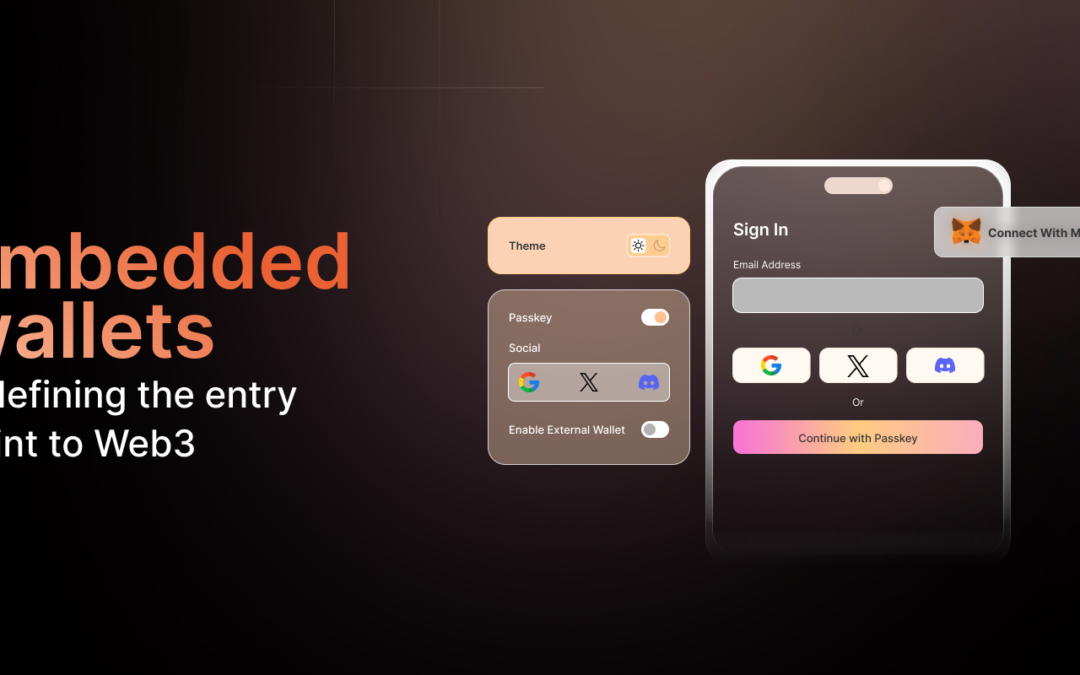
Seamless Web3 Onboarding Starts With Embedded Wallets
Web3 adoption rarely fails at the protocol layer. It fails the moment a user is asked to “connect a wallet.” Browser extensions, seed phrases, and external wallet flows introduce friction before users even understand the product they are onboarding into. For...

Understanding Account Abstraction Bundlers: Execution Infrastructure Behind Smart Accounts
Smart accounts change how transactions are created and executed. Instead of broadcasting transactions directly to the network, applications generate structured execution requests that require coordinated infrastructure to reach on-chain finality. This shift introduces...
Learn more about next-gen leading.
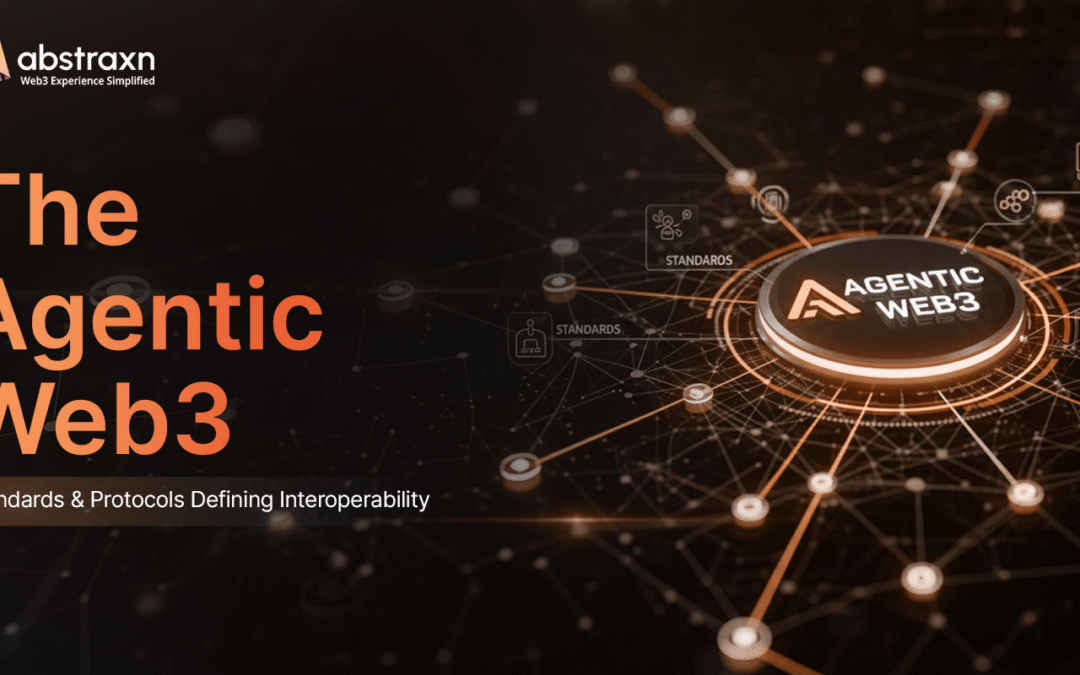
Building The Agentic Web3: Interoperability Standards That Power AI Agents
The adoption...
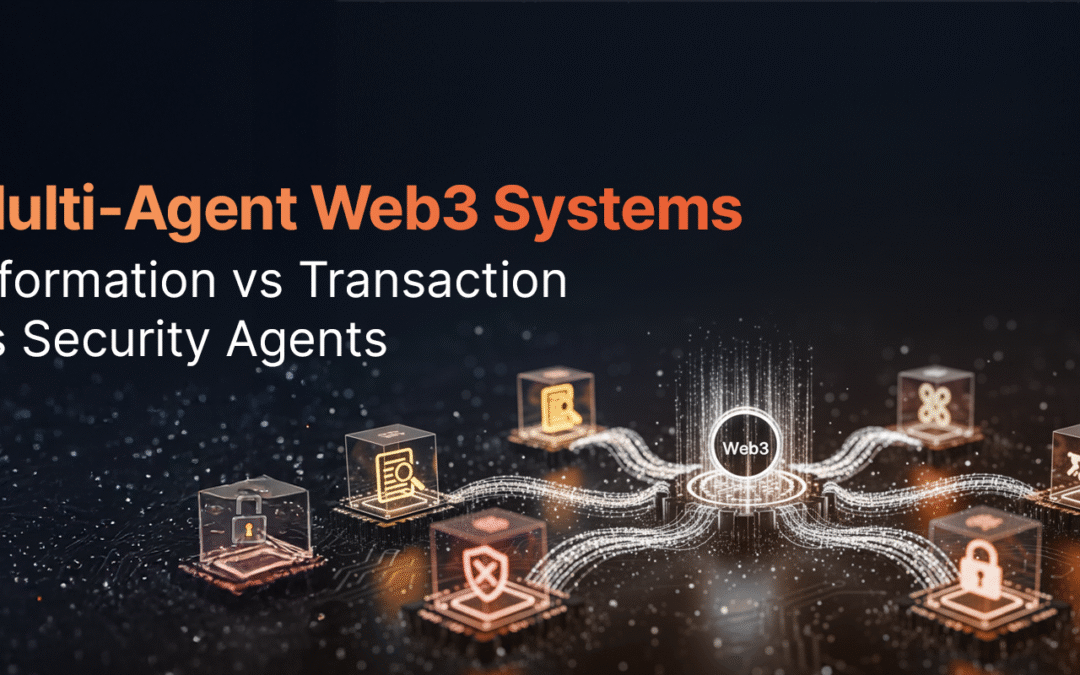
Inside Decentralized AI Networks: The Rise of Multi-Agent Web3 Systems
The age of...
Gasless Transactions & Agentic AI: The Frictionless Web3 Imperative
"Gasless...
Security in Agentic AI: Trustless Agents and Smart Contract Safety
For decades,...

Human Edge In Agentic AI: Navigating Autonomy-Oversight Dynamic In Web3
A user places...
How AI Transforms ERC-4337 Into Predictive Infrastructure
Since its...